The Federal Reserve just cut rates for the first time since December, trimming the benchmark by 25 basis points to 4.00%–4.25%.
More cuts are likely before year’s end. For Wall Street, it’s a signal of looser money. For Main Street, it changes the cost of borrowing, saving, and investing.
The big picture: rates touch nearly every corner of the economy, from mortgages to job security. Here’s how the shift plays out.
Cheaper Borrowing

Credit cards, personal loans, and auto financing should see small but noticeable drops in interest costs.
Mortgage Markets

Homebuyers may get slightly lower mortgage rates, though housing supply shortages keep prices high.
Student Debt

Private student loan borrowers with variable rates could see modest relief. Federal loans remain fixed.
Savings Accounts

Yields on savings, CDs, and money markets will slip as banks pass lower rates to depositors.
Stock Market Effect

Easier policy typically boosts equities. Investors often rotate into riskier assets when rates fall.
Jobs & Wages
Rate cuts aim to keep hiring alive as unemployment creeps up. The tradeoff: inflation risk sticks around.
Inflation Wildcard
Lower rates can stoke demand. If inflation flares again, the Fed could pause or reverse course.
Debt & Deficits

Lower borrowing costs help Washington manage interest on its ballooning debt — an overlooked benefit.
Global Spillover

Other central banks may follow suit. Emerging markets feel pressure as capital shifts toward the U.S.
Prediction
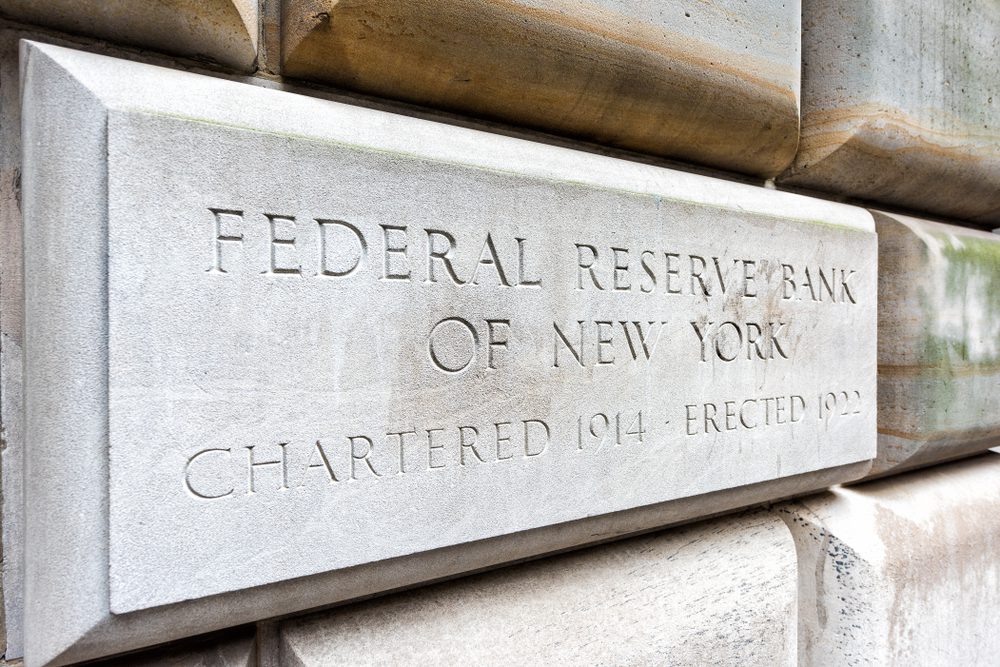
Two more cuts are on deck this year. For consumers, that means easier borrowing but thinner returns on savings. For the economy, it’s a tightrope walk between rescuing jobs and rekindling inflation.