For the first time since December, the Federal Reserve trimmed interest rates — a 25-basis-point cut that brings the federal funds rate to 4.00%–4.25%.
The move reflects a tricky balancing act: inflation is still running hot, but the labor market is cooling faster than expected. Chair Jerome Powell stressed the risks are now “two-sided,” and the Fed’s path forward depends heavily on incoming data.
Here’s what the central bank laid out — and where things go from here.
The Move
Fed lowered its benchmark rate by 0.25%, setting the fed funds range at 4.00%–4.25%, effective Sept. 18.
The First Cut Since December
This is the first rate reduction in nine months — signaling a shift from holding steady to cautiously easing.
Powell’s Message
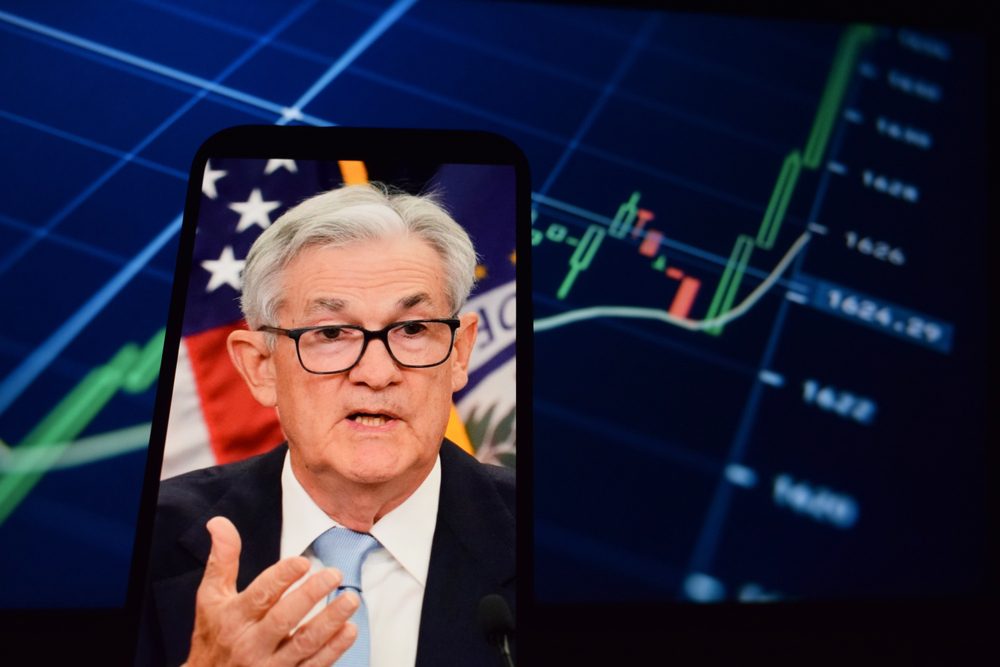
The labor market is weakening, inflation remains sticky, and the Fed is trying to avoid breaking either side of the economy.
The Dot Plot Signals
Officials expect two more cuts before the end of 2025, each likely at 25 basis points, if conditions hold.
Inflation Outlook
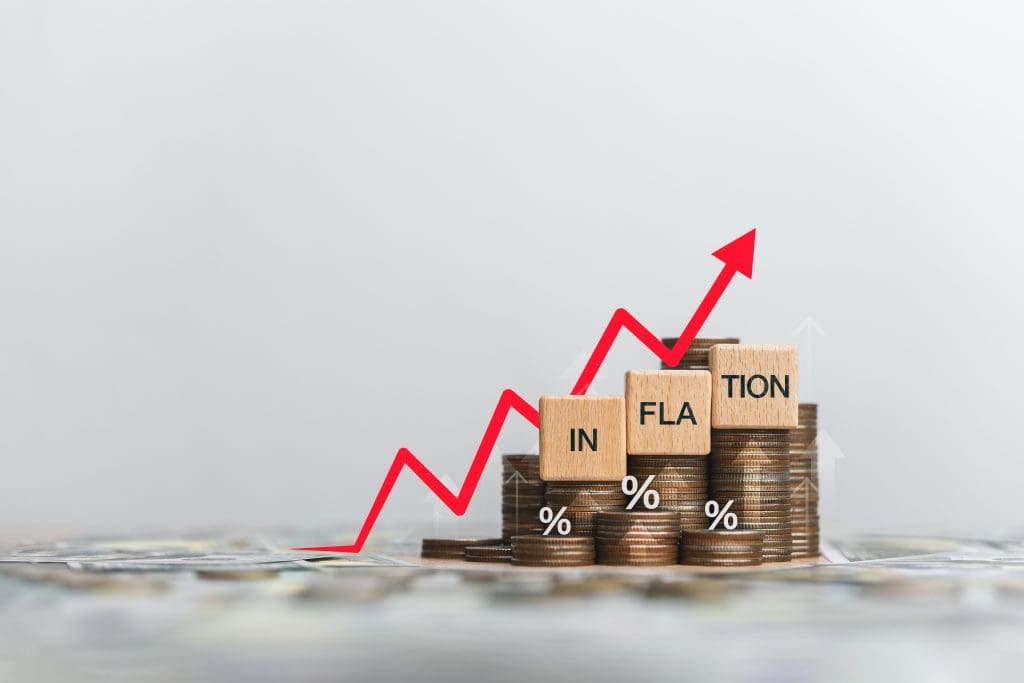
Fed projects PCE inflation around 3.0% at year-end — still above the 2% target, with core readings elevated.
Jobs Forecast

Unemployment expected to rise to ~4.5% by late 2025, a clear shift from last year’s historically low levels.
Markets vs. Fed

Investors are pricing in three or more cuts, but the Fed is guiding toward two. That gap could spark volatility.
Global & Political Backdrop

From slowing Europe to U.S. election pressures, outside forces could sway Fed timing more than officials admit.
Risks to Watch

A fresh inflation spike could force a pause. A steeper jobs slide could accelerate cuts. The Fed is boxed in.
Prediction

Expect two more cuts in October and December — unless inflation flares or jobs crash. Markets may be too bullish.